أكياس التسوق البلاستيكية التي تُستخدم لمرة واحدة في طريقها إلى الزوال في عُمان — والجدول الزمني للتطبيق يسير بوتيرة أسرع مما تدركه العديد من الشركات. إذا كانت شركتك لا تزال تعتمد على الأكياس البلاستيكية في البيع بالتجزئة أو التغليف أو لاستخدام العملاء، فإليك كل ما تحتاج إلى معرفته عن الحظر، وما يعنيه ذلك بالنسبة لك، وما عليك القيام به بعد ذلك.
أطلقت هيئة البيئة في عُمان حظرًا تدريجيًا على مستوى البلاد على أكياس التسوق البلاستيكية التي تُستخدم لمرة واحدة. والهدف واضح — القضاء على الأكياس البلاستيكية التي تُستخدم لمرة واحدة في جميع القطاعات التجارية في عُمان بحلول عام 2027.
هذه ليست لائحة بعيدة المنال. إنها سارية المفعول بالفعل وآخذة في التوسع. وتواجه الشركات التي لا تمتثل لها غرامات تتراوح بين من 50 ريال أردني إلى 1,000 ريال أردني، مع مضاعفة العقوبات في حالة تكرار المخالفات.
تعد الأكياس البلاستيكية التي تستخدم لمرة واحدة من أكثر أشكال النفايات البلاستيكية ضررًا — فهي لا تتحلل بيولوجيًا، بل تتفتت إلى جزيئات بلاستيكية دقيقة، وتنتهي بها المطاف في محيطات عُمان وصحاريها وموائل الحياة البرية. ويأتي هذا الحظر في إطار التزامات عُمان البيئية الأوسع نطاقًا، ويتماشى مع حركة عالمية شهدت فرض حظر على الأكياس البلاستيكية في أنحاء أوروبا وآسيا وأفريقيا ومنطقة الخليج ككل.
تسير الإمارات العربية المتحدة والمملكة العربية السعودية ودول مجلس التعاون الخليجي الأخرى على نفس المسار. وهذا ليس مجرد اتجاه — بل هو الواقع الجديد للشركات في كل مكان.
هذا هو السؤال الذي تطرحه كل شركة متضررة — والإجابة واضحة:
تُعد الأكياس غير المنسوجة المصنوعة من البولي بروبيلين (PP) البديل الذي تقره الحكومة للأكياس البلاستيكية التي تُستخدم لمرة واحدة في عُمان.
أكياس البولي بروبيلين غير المنسوجة هي:
ادخل اليوم إلى أي سوبرماركت كبير أو سلسلة متاجر تجزئة أو صيدلية في عُمان، وسترى أكياس البولي بروبيلين غير المنسوجة عند الكاشير. فقد أصبحت هذه الأكياس هي المعيار السائد بالفعل — ومع توسع نطاق الحظر، ستصبح قريبًا الخيار الوحيد المتاح.
الشركات التي تتحرك الآن ستكون في وضع أفضل من تلك التي تنتظر حتى يتم إدراج قطاعها رسميًا في الحظر. وإليكم ما نوصي به:
1. حدد المرحلة التي تنطبق على قطاعك تحقق مما إذا كانت فئة نشاطك التجاري مشمولة بالفعل بالحظر. إذا لم تكن كذلك، فخطط مسبقًا — فمرحلتك قادمة.
2. التحول إلى استخدام الأكياس غير المنسوجة المصنوعة من البولي بروبيلين (PP) ابحث عن مورد محلي موثوق يمكنه توفير النوع والحجم والطباعة المناسبين للحقائب التي تحتاجها لشركتك — دون الحاجة إلى فترات الانتظار الطويلة التي يتطلبها الموردون في الخارج.
3. ضع علامتك التجارية على حقائبك كل حقيبة غير منسوجة تمنحها لعميلك هي أداة تسويقية قابلة لإعادة الاستخدام. فالحقائب المطبوعة خصيصًا بشعارك تنتشر إلى ما هو أبعد من متجرك، مما يعرض علامتك التجارية أمام أعين جديدة في كل مرة يتم استخدامها فيها مرة أخرى.
4. اطلب بكميات كبيرة للحصول على أسعار أفضل تزداد فعالية التكلفة للأكياس غير المنسوجة كلما زاد حجم الطلب. خطط لاحتياجاتك السنوية من الأكياس واطلبها وفقًا لذلك.
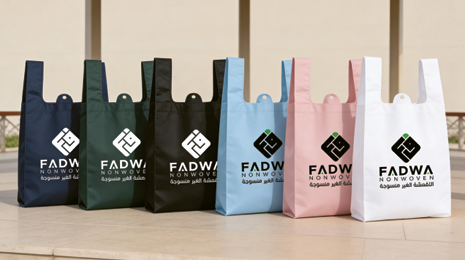
تعد «فادوا نون ووفن» أول شركة في عُمان متخصصة في تصنيع الأكياس والأقمشة غير المنسوجة المصنوعة من البولي بروبيلين، ومقرها في منطقة خزائن الصناعية، بركة. نقوم بتصنيع المجموعة الكاملة من حقائب الحمل غير المنسوجة — ذات القطع على شكل حرف D، والمزودة بمقبض حلقي، وشكل القميص، وذات الجوانب الموسعة، والحقائب الصندوقية — بالكامل داخل مصنعنا، مما يوفر للشركات العمانية أسعارًا مباشرة من المصنع وتسليمًا محليًّا سريعًا.
لا توجد فترات انتظار في الخارج. لا توجد إحباطات بسبب الحد الأدنى للطلبات. فريق محلي يفهم طبيعة عملك ويستطيع تلبية الطلبات بسرعة.
مع توسع نطاق حظر الأكياس البلاستيكية في عُمان، نحن هنا لنجعل عملية الانتقال سهلة وميسورة التكلفة ومتوافقة مع اللوائح لكل شركة في السلطنة — وللشركات على الصعيد الدولي التي تقوم بنفس التحول.
تواصل معنا اليوم:
📞 هاتف / واتساب: 95577726 📧 البريد الإلكتروني: [email protected] 📍 منطقة خزائن ا عمان
Fadwa Non Woven — مصنع للأقمشة والأكياس غير المنسوجة من مادة البولي بروبيلين (PP). صنع في عمان.
تواصل معنا واحصل على التفاصيل بسرعة
إضافة بعض التفاصيل ستساعدك في الحصول على رد أسرع
أنت على بعد نقرة واحدة فقط من الحصول على عروض الأسعار
شكرًا لك! تم استلام طلب عرض الأسعار الخاص بك. سنتصل بك قريبًا.